Titanium dioxide
A foundational material of modern society, trusted through science, essential for performance, and critical to sustainability.
Backed by decades of scientific assessment and strict EU regulation, titanium dioxide (TiO₂) is a critical chemical for EU, supporting key industrial sectors like infrastructure, healthcare and clean technologies, while contributing to industrial resilience and the transition to a clean and circular economy. Due to its unique properties, TiO₂ is a key raw material in many strategic applications and directly contributes to the advancement strategic net-zero technologies.
TiO₂ supports both everyday quality of life and Europe’s long-term industrial and sustainability ambitions.
Titanium dioxide in Europe
A strategic European manufacturing base supporting downstream industry and skilled employment.
€2.29 bn
Sales value of EU TiO₂ production in 2022
>4,800
People employed in EU TiO₂ production (2022)
49%
Of the EU TiO₂ market supplied by EU-produced TiO₂
>97%
Of total EU TiO₂ production from TDMA member companies (2022)
>55%
Of TiO₂ sales volume used in decorative and industrial paints and coatings
Adding value accross the EEA economy
TiO₂ stands out as one of the most technically versatile materials used across industrial and consumer product formulations. Its widespread application is due not only to its exceptional optical properties but also to its robust thermal and chemical stability, durability, high purity, and ease of formulation.
At its core, TiO₂ is recognised for its exceptional brightness and whiteness, UV attenuation and light protection, long-term durability under a variety of environmental and mechanical stressors, chemical inertness, and compatibility.
€868m
Activities generated by TiO₂ production.
€522m
Supply-chain linkages to TiO₂ production.
€144-593m
Consumption linkages from employee spending.
up to €1.8bn
Total GVA related to TiO₂.
Gross value added (GVA) measures the contribution of the TiO₂ industry to the economy — the value of goods and services produced, net of inputs.
Source: Socio Economic Analysis study commissioned by TDMA and undertaken by EPPA. . Based principally on 2023 data and so does not fully reflect some of the recent industry challenges
What is titanium dioxide?
TiO₂ is a naturally occurring mineral compound derived from titanium, one of the most abundant metals found in the earth’s crust. In its processed form, it appears as a fine white powder which is chemically stable, non-reactive, and exceptionally effective at scattering light. It has been refined and used industrially for nearly a century and remains one of the most studied and trusted materials across both every day and industrial applications.
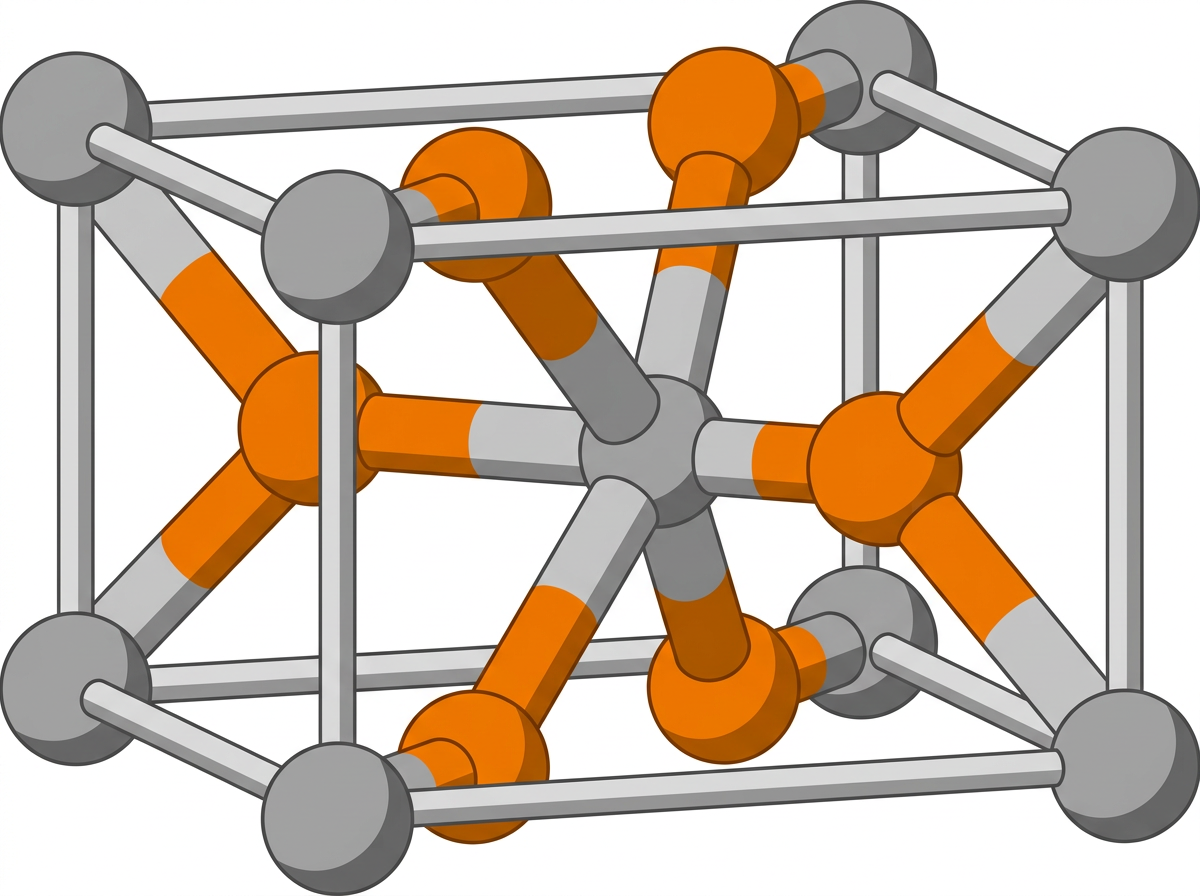
One name, distinct forms
Not all TiO₂ is the same, and the difference matters for how it is regulated and used.
Main properties of titanium dioxide
TiO₂ stands out as one of the most technically versatile materials used across industrial and consumer product formulations. Its widespread application is due not only to its exceptional optical properties but also to its robust thermal and chemical stability, durability, high purity, and ease of formulation.
At its core, TiO₂ is recognised for its exceptional brightness and whiteness, UV attenuation and light protection, long-term durability under a variety of environmental and mechanical stressors, chemical inertness, and compatibility.

White pigment & brightness
The world’s most widely used white pigment, delivering whiteness, brightness and opacity across coatings, plastics and paper.

Opacity and coverage
A single coat covers evenly and completely, so surfaces look consistent with less material and less waste.

UV protection
Absorbs and scatters ultraviolet light, protecting coatings, plastics and other materials from fading and degradation.
Chemical stability
Stable and non-reactive in use, which is why it suits demanding applications including human medicinal products and food-contact materials.

Durability
Helps products keep their appearance and performance for years, reducing the need for replacement, repainting or repair.
Uses of titanium dioxide
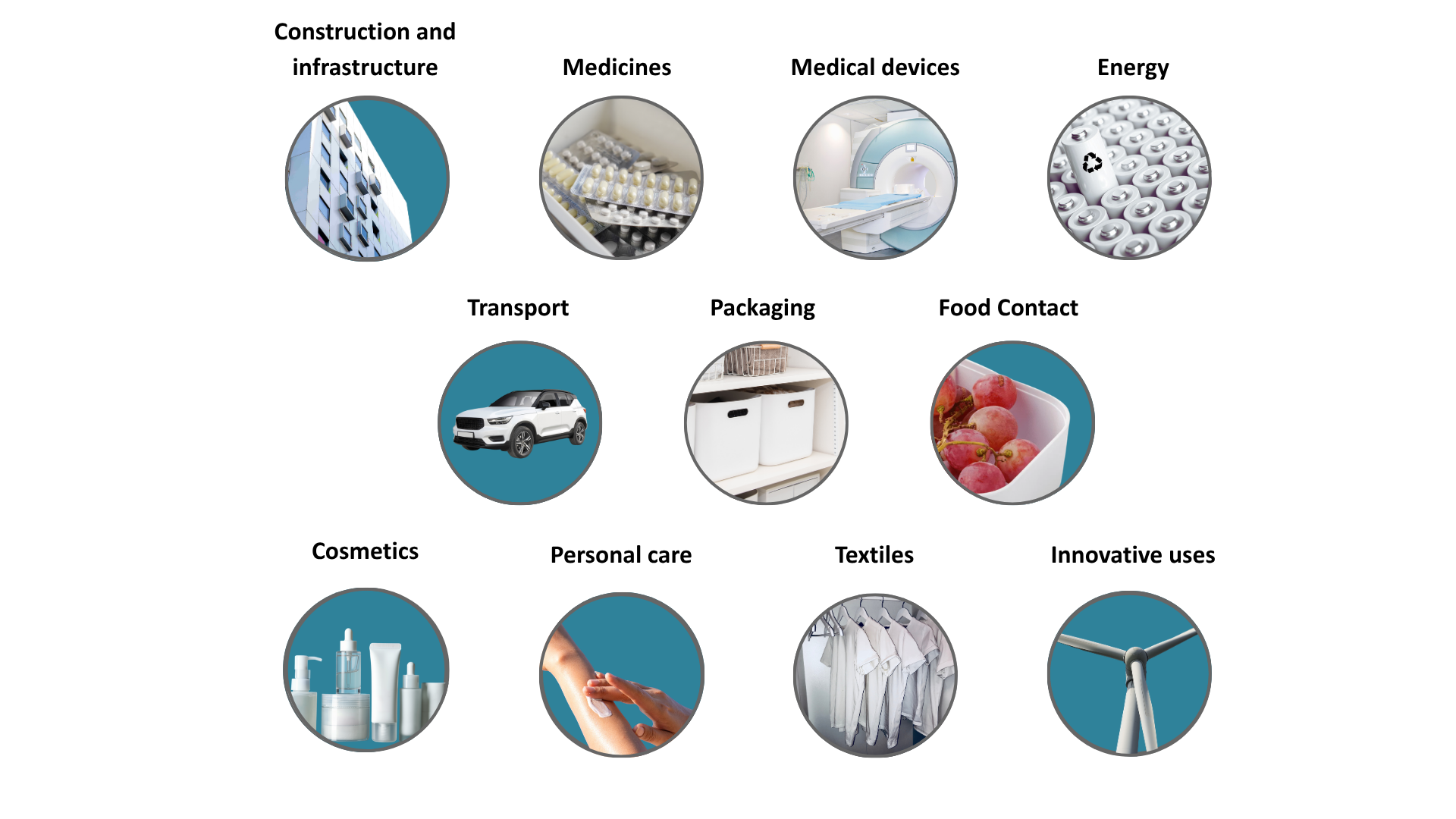
In Europe, more than 96% of pigment-grade TiO₂ is used in four concentrated material markets, where its optical and protective properties cannot be matched by alternatives.