Is titanium dioxide in medicines safe?
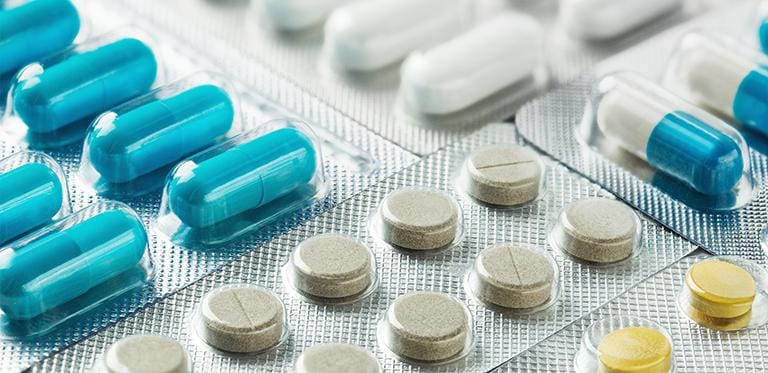
As a pure mineral, titanium dioxide (TiO2) meets the most stringent requirements governing the safety of medicines, including those set by the European, Japanese and US Pharmacopoeia. For decades, TiO2 has built up an impressive safety record within the pharmaceutical industry.
TiO2 is one of the mostly widely used substances in medicines with an estimated 91 000 human medicines containing TiO2 and brings a wide number of unique benefits including protecting medicines from UV light and enhanced shelf-life of active ingredients. E171 is the main form of TiO2 used in medicines and is the same as that historically used as a food additive. It must meet strict purity and safety specifications under EU Regulation 231/2012.
In August 2025, the European Commission published a report confirming that the European Medicines Agency (EMA) considers the risk of TiO2 in medicines to be negligible and the European Commission confirmed that TiO2 will continue to be authorised in medicines. The EMA assessment was:
- conducted according to the EMA’s standard scientific evaluation procedures applied to all authorised substances;
- reviewed by the European Chemicals Agency (ECHA);
- reviewed by the European Food Safety Authority (EFSA);
- endorsed by the EMA Committee for Medicinal Products for Human Use.

International regulatory and scientific alignment on titanium dioxide safety
Regulatory authorities worldwide have assessed the safety of TiO₂ and reached consistent conclusions: there is no evidence of adverse health effects from oral exposure at levels relevant to its use in medicines.
How important is titanium dioxide in medicines?
In an opinion issued on 8 September 2021, the European Medicines Agency (EMA) concluded that TiO2 cannot be replaced without a negative impact on the quality and quantity of medicines in the EU. The EMA opinion stresses that a requirement to replace TiO2 in medicines will almost certainly cause “significant medicines shortages” in the EU market, with “major implications for patients”.
The EMA points out that, because of the time and costs involved in the reformulation of a substantial volume of products, any requirement to replace TiO2 in medicines will almost certainly cause shortages but also withdrawals from the market of medicinal products. Products such as paediatric and orphan health maintenance like blood pressure medicines would likely be the most impacted due to the millions of people who rely on these drugs.